
Cupping Therapy in Chattanooga
Decompress tight muscles. Improve mobility. Get back to doing what you love.
Cupping therapy at Elite Muscle Recovery is a proven, physical-therapist-led treatment that relieves pain, loosens stubborn muscle tension, and accelerates your body’s natural healing — without medication or surgery.
Ready to feel relief? Call or text us at (423) 228-8120 to schedule your evaluation and find out if cupping is right for you.
What Is Cupping?
Cupping is a therapeutic technique rooted in ancient Chinese medicine, modernized and delivered by licensed physical therapists. Using glass, silicone, or plastic cups, we create gentle suction on the skin to decompress the underlying muscles and fascia (the connective tissue surrounding your muscles).
That suction does a lot of work in a small amount of time:
- Promotes blood flow to compromised tissue
- Improves circulation and tissue mobility
- Reduces inflammation
- Activates your body’s natural healing mechanisms
- Draws toxins away from tissues for elimination
In recent years, cupping has become one of the most effective tools in modern physical therapy for pain relief and improved muscle mobility — which is why you’ve probably seen those distinctive circular marks on Olympic athletes, NFL players, and CrossFit competitors.
Conditions We Treat With Cupping
Cupping is remarkably versatile. We use it to treat a wide range of acute and chronic pain conditions, including:
Musculoskeletal Pain Neck, back, shoulder, hip, knee, elbow, wrist, and ankle/foot pain
Repetitive Strain Injuries Carpal tunnel syndrome, tennis elbow, golfer’s elbow
Headaches Migraines, tension headaches, cervicogenic headaches
Joint & Nerve Issues Sciatica, pinched nerves in the neck or low back, joint impingement, facet joint pain
Muscle Issues Trigger points, chronic tightness, spasms, fibromyalgia
Tendinopathies Plantar fasciitis, Achilles tendonitis, rotator cuff injuries
Not sure if your condition qualifies? Essentially any painful muscular condition can benefit from cupping. The best way to find out is a quick evaluation. Call or text (423) 228-8120 to get started.
The Benefits of Cupping
Targeted Pain Relief. Cupping alleviates both acute and chronic pain in the back, neck, shoulders, elbows, hips, and knees — often providing noticeable relief during your first session.
Muscle Tension Reduction. The suction lifts and separates muscle fibers and fascia, loosening tight muscles, releasing knots, and restoring flexibility and range of motion.
Improved Blood Flow & Circulation. By drawing blood to the skin’s surface, cupping expands blood vessels in the treated area, delivering more oxygen and nutrients to your tissues.
Reduced Inflammation. Improved circulation combined with a localized, mild inflammatory response helps reduce overall inflammation in affected areas.
Faster Athletic Recovery. Cupping speeds up recovery from intense workouts, reduces post-exercise soreness, and helps clear lactic acid buildup — getting athletes back to optimal performance faster.
What to Expect During Your Cupping Session
Before
Your physical therapist will perform a thorough evaluation to identify which body regions and impairments are contributing to your symptoms and determine whether cupping is right for you.
During
Your therapist will apply and pump the cups, creating suction on the skin and a deep-massage or pinching sensation. You may feel a tight, pulling, or warm sensation. Cups may be:
- Stationary — left in one spot for 5–10 minutes
- Dynamic — moved along the muscles for a sliding effect
The intensity can always be adjusted based on your comfort level. Many patients report immediate pain relief and improved mobility right after the session.
After
Cupping typically leaves temporary circular red or purple marks where the cups were placed. These are not true bruises — they’re caused by increased blood flow and are usually painless. They fade within a few days.
To get the most out of your session:
- Stay hydrated. Drink plenty of water to help your lymphatic system flush out released toxins.
- Keep the area warm and covered. Avoid cold and wind, which can cause discomfort.
- Rest. You may feel a little tired or have mild aches.
- Move gently. Light activity like walking is great. Skip intense workouts for the rest of the day.
Possible Side Effects
Cupping is a safe, well-tolerated treatment. The most common side effects are minor:
- Cup marks — temporary circular discoloration from increased blood flow (not real bruises)
- Mild soreness
- Occasional sweating, fatigue, or nausea (rare)
How Cupping Fits Into Your Physical Therapy Plan
Cupping is a powerful tool — but it’s most effective as part of a complete treatment approach, not a standalone fix.
We typically use cupping in the recovery phase of treatment, where the goal is to reduce pain enough for you to progress into normal range of motion, build strength, and return to the activities you love. By calming pain and muscle tension first, cupping makes your other physical therapy work — exercise, mobility training, functional movement — more effective and more comfortable.
Once your symptoms are under control, the focus shifts to active rehab and functional training. But cupping stays available throughout your plan of care for:
- Flare-ups
- Post-workout soreness
- Maintenance between training cycles
It complements every other piece of your treatment — never replaces it.
How Often Do I Need Cupping?
Most patients start with one cupping session per week for the first 6 weeks. This frequency allows muscles to recover and the cup marks to fade between sessions, while still building meaningful progress. Many patients notice improvements well before week 6.
Maintenance or performance cupping can be done every 2–4 weeks for people in demanding situations — high-stress jobs, manual labor, long-distance runners, competitive athletes, or anyone wanting to keep muscles in peak condition.
We never recommend overdoing it. Enough time between sessions is critical to avoid excessive bruising, skin sensitivity, or fatigue. Your physical therapist will reassess your pain, range of motion, and progress throughout your plan of care to make sure cupping is working for you.
Frequently Asked Questions
Who should not get cupping? Cupping isn’t recommended for people with bleeding disorders, those taking blood thinners, or anyone with very thin or fragile skin. It should also be avoided over skin infections, open wounds, active cancer sites, or by people with severe cardiovascular disease. Pregnant women should avoid cupping on the abdomen and lower back. Your physical therapist will screen for all of this during your evaluation.
Is cupping only for athletes? Not at all. While cupping is popular with athletes — from Olympians to weekend warriors — it benefits anyone dealing with chronic pain, acute pain, muscle tightness, or general tension. If you have a body and it hurts, cupping can probably help.
Is cupping a new trend? Far from it. Cupping has been practiced for thousands of years, with roots in both ancient Chinese medicine and ancient Egyptian culture. The recent resurgence is just modern science and elite athletes catching up to what traditional practitioners have known for millennia.
Does cupping hurt? Most patients describe it as a deep pulling or pinching sensation — intense but not painful. The pressure is always adjusted to your tolerance, and many people find it deeply relaxing.
Will I have marks afterward? Likely, yes. The circular marks are temporary, painless, and fade within a few days. They’re a normal response to the increased blood flow — not bruises.
Is cupping covered by insurance? Cupping is delivered as part of your physical therapy treatment. Coverage depends on your specific insurance plan — call us at (423) 228-8120 and we’ll help you find out.
Ready to Try Cupping?
You don’t have to live with chronic pain, stiffness, or muscle tension. Whether you’re an athlete chasing a personal best, a parent who just wants to play with the kids without back pain, or someone who’s tried everything else, cupping at Elite Muscle Recovery could be the missing piece in your recovery.
Call or text us today at (423) 228-8120 to schedule your evaluation. We’ll help you decide if cupping is right for you — and if it is, we’ll get you on the path to feeling better, moving better, and living better.
📍 Serving Chattanooga and the surrounding area
Download Our Free Report
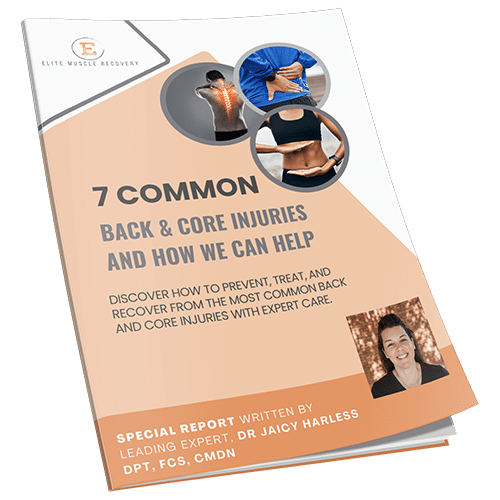
Is back pain severely reducing the quality of your life? If you’re tired of relying on medication, avoiding spending time with your loved ones, or considering surgery because the discomfort is just too great, there’s a better way. Our free back pain reveals natural, proven strategies to relieve pain, improve mobility and prevent it from returning – without relying on pills or endless treatments. Inside, you’ll find expert insights, practical tips, and actionable steps you can start using today.