
Before starting cupping treatment, your physical therapist will perform a thorough evaluation. They will figure out what body regions and impairments are contributing to your symptoms. Then, they can determine if you are a good candidate for cupping.
During a cupping session, your physical therapist will apply cups to your skin and pump them up. This causes suctioning of the skin and a pinching or deep massage sensation. You may feel a tight, pulling, or warm sensation. The PT can leave the cups in one spot for 5-10 minutes (stationary cupping). Alternatively, the PT can move the cups along the muscles (dynamic cupping). Cupping can cause some discomfort, but the procedure can always be adjusted based on each patient’s pain tolerance. Many people report feeling immediate reduction in pain and improvement in muscle mobility following cupping.
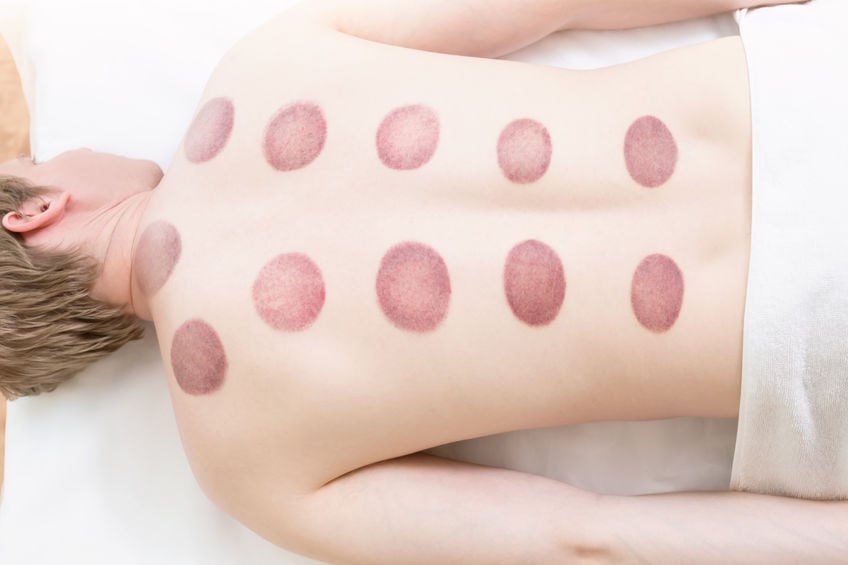
Cupping usually leaves temporary, circular red or purple marks due to increased blood flow; these will fade in a few days. These are not true bruises and are usually painless. Some people may experience soreness, skin irritation, or dizziness and nausea (rare).
Following cupping, you should:
● Stay hydrated: Drink plenty of water to help the lymphatic system flush out released toxins
● Keep covered and warm: Keep the cupped area covered to avoid cold/wind, which can cause discomfort
● Rest and relax: Allow your body to recover, as you may feel tired or have mild aches
● Perform gentle movement: While avoiding intense exercise, light activity like walking is fine
If you would like to be evaluated and learn if cupping is right for you, or if you have any questions, please call or text us! We’d love to help you. ☎️ (423) 228-8120
Elite Muscle Recovery
See what others are saying: Google Reviews