
Shoulder pain can range from a minor annoyance to a debilitating problem. Some shoulder pain comes on immediately (associated with an injury) and some comes on slowly over time without a clear cause. While ChatGPT, Google, and Reddit have their place, it’s safe to say that trying to self-diagnose and treat shoulder pain via the internet has its pitfalls and a fair amount of misinformation and conflicting advice. Shoulder pain myths can cause people to avoid movement altogether, overdo exercises, or rush into injections or surgery.
The good news is that conservative care, specifically skilled physical therapy, can be successful in alleviating shoulder pain by improving strength, mobility, and healthy movement patterns of the shoulder.
In this blog series, we will explore some common myths about shoulder pain and look at the reality.
Shoulder Pain Myth #2: “If I have shoulder pain, there must be a tear or other tissue damage causing it.”
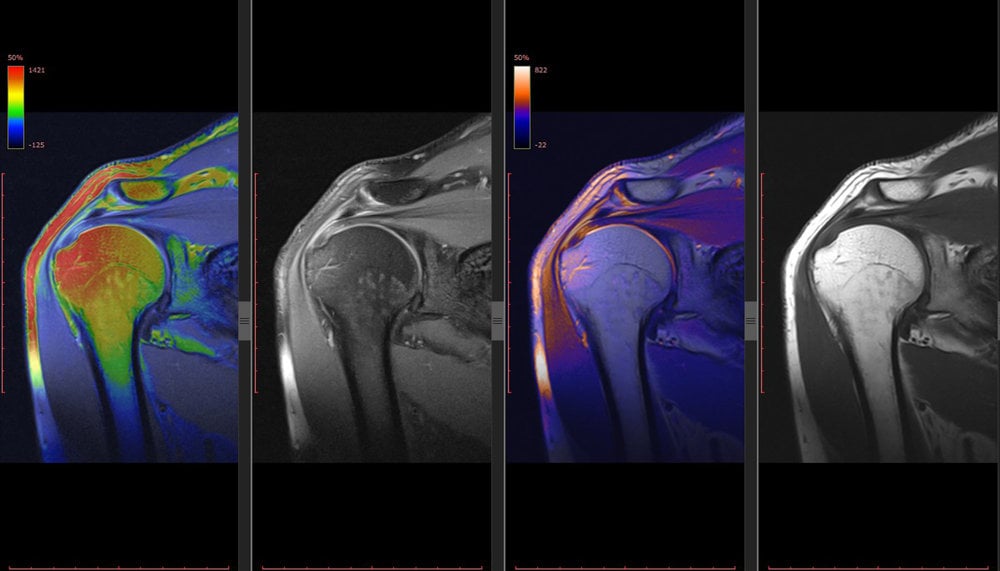
It is common for people to assume that shoulder pain automatically means a torn rotator cuff or major structural damage. The reality is that shoulder pain is often related to irritation, overload, or sensitivity of the tissues, not necessarily a large tear. In fact, imaging studies show that many people with rotator cuff tears on MRI have no pain or limitations at all. On the other hand, many patients with shoulder pain have no significant findings on an MRI. This tells us that pain does not always equal tissue damage. MRI or x-ray findings that show some structural changes (i.e. “partial tear,” “joint degeneration”) are common as we age and do not always correlate with symptoms. Focusing too much on MRI findings can increase fear and make pain feel worse.
Your physical therapist will look at your shoulder mobility, assess which muscles are weak and tight, and look at how your posture or other daily activities might be contributing factors to your symptoms. The ultimate goal is to reduce pain and improve how your shoulder functions, not necessarily to change or improve your imaging results. A “perfect” x-ray or MRI is not necessary to have a pain-free and fully functioning shoulder.
Stay tuned as we explore Shoulder Pain Myth #3 in the next blog post!
We would love to help you address your shoulder pain. Please call or text us at (423) 228-8120 if you have any questions or would like to set up an evaluation.
Elite Muscle Recovery
See what others are saying: Google Reviews