How Technology Could Be Hurting You

We know there are many adverse effects of technology addiction on mental health and emotional well-being. But did you know there are physical side effects that can accompany excessive technology use? Common Technology Injuries Some common technology injuries include: What can I do about it? Now that we know some common technology injuries, here are … Read more
Why Strength Training Matters in Every Stage of Life

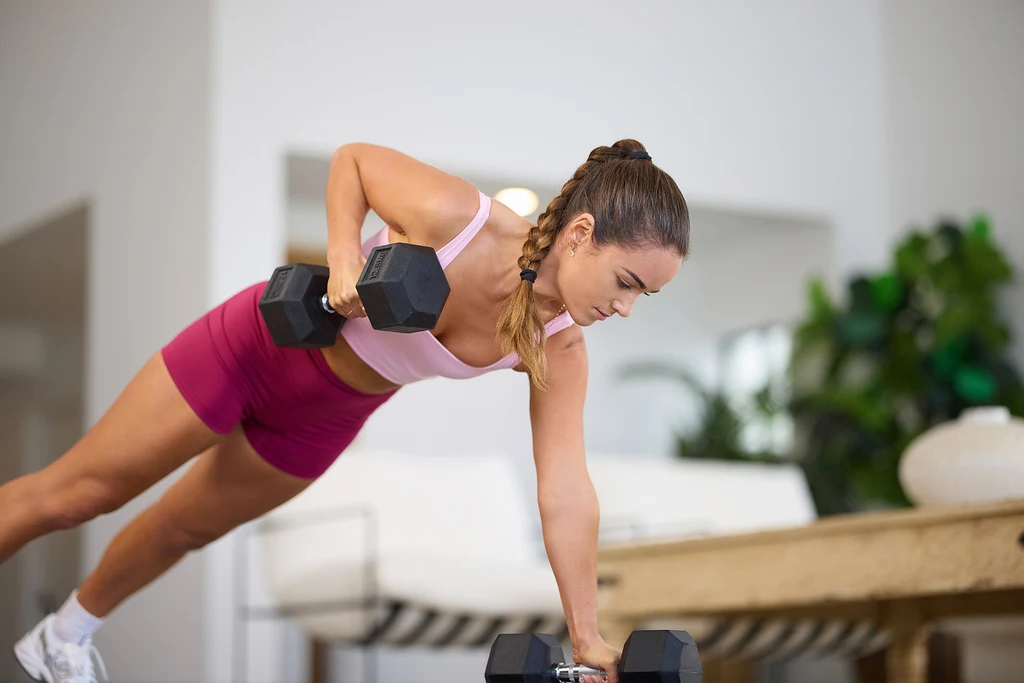
Strength training isn’t just for athletes or people who want to build muscle. Strength training is one of the most effective ways to improve overall health, maintain independence, and support an active lifestyle. Whether you’re in your 20s or your 80s, adding strength training to your routine can offer lasting physical and mental health benefits. … Read more

Physical Therapy for TMJ

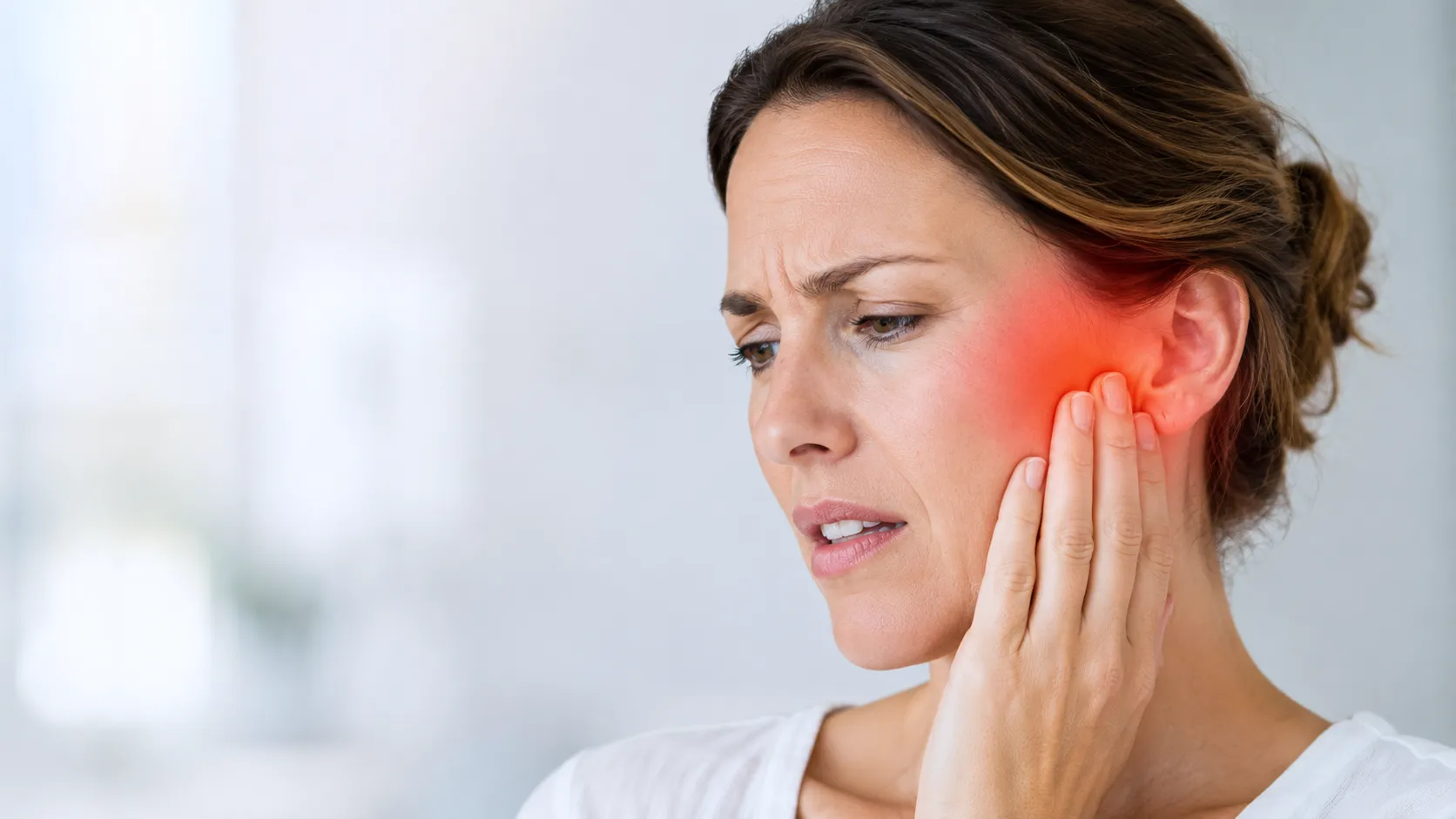
What is the TMJ? The temporomandibular joints (TMJ) are the joints that connect the top of your skull with the lower jaw. They allow your jaw to open, close, slide forward, and move side to side so you can talk, chew, yawn, and swallow. Many people suffer from TMJ dysfunction and are completely unaware that … Read more

Cupping: Frequently Asked Questions

Cupping FAQ Who should not get cupping? People with bleeding disorders, those taking blood thinners, or people with very fragile/thin skin should avoid cupping. Cupping is also generally not recommended for people with skin infections, open wounds, active cancer, or severe cardiovascular disease. Pregnant women should avoid cupping on the abdomen and lower back. Is … Read more

The Role of Cupping in Physical Therapy

How does cupping fit into the overall PT treatment plan? As part of a multimodal approach, practitioners use cupping as a valuable therapeutic intervention. Cupping is most beneficial when used with other treatment methods. Clinicians mainly use cupping during the recovery phase of treatment (the first stage). The goal during the recovery phase is to … Read more

What to Expect with Cupping

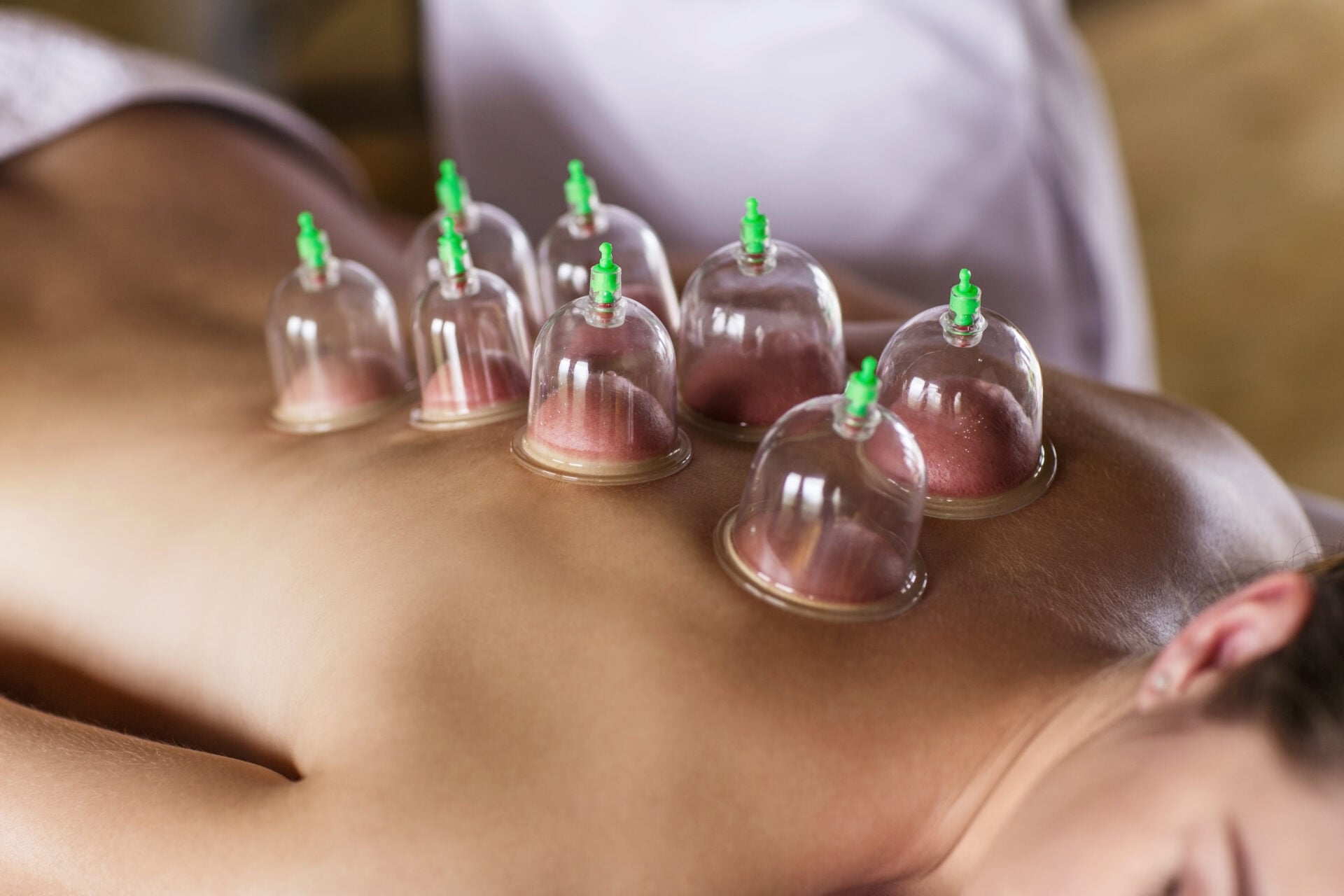
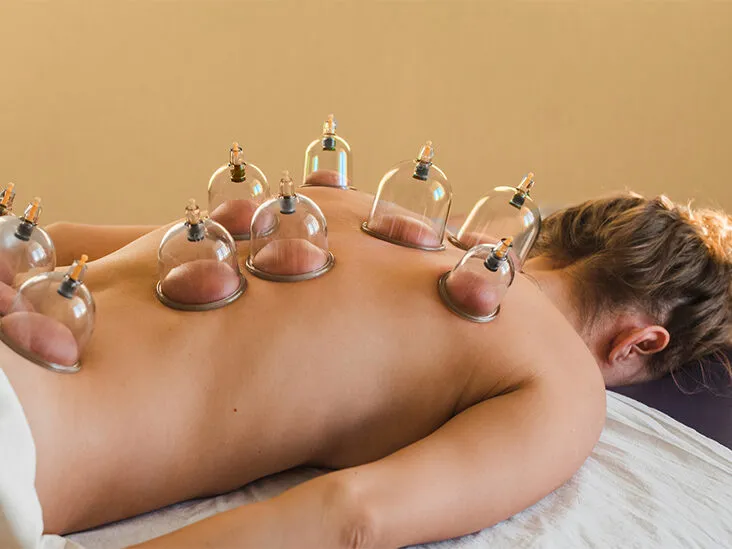
Before starting cupping treatment, your physical therapist will perform a thorough evaluation. They will figure out what body regions and impairments are contributing to your symptoms. Then, they can determine if you are a good candidate for cupping. During a cupping session, your physical therapist will apply cups to your skin and pump them up. … Read more

Benefits and Side Effects of Cupping

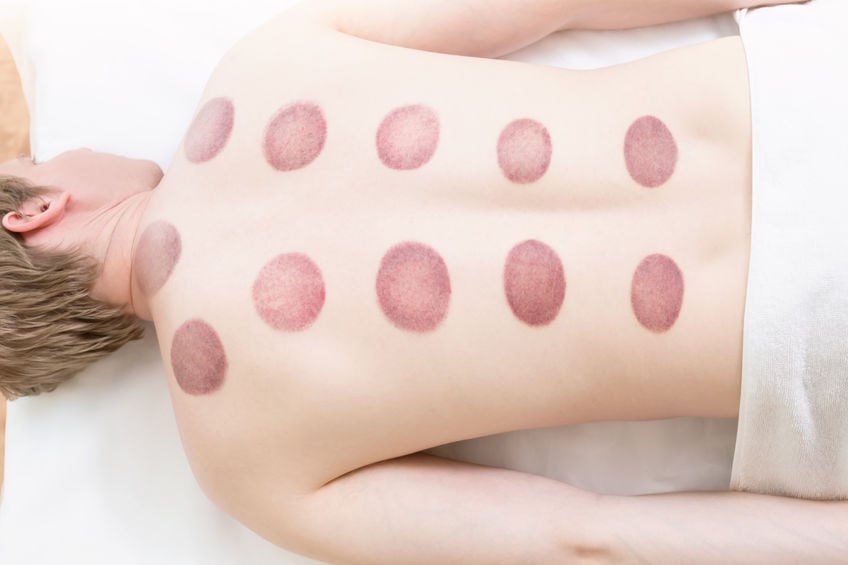
Primary benefits of cupping Cupping has many known benefits to help people on their recovery journey, including: ● Pain Management: commonly used to alleviate acute and chronic pain, including in the back, neck, shoulders, elbows, hips, and knees. ● Muscle Tension Reduction: helps lift and separate muscle fibers and fascia (connective tissue), which can loosen tight muscles, release … Read more

What Is Cupping and What Does It Treat?

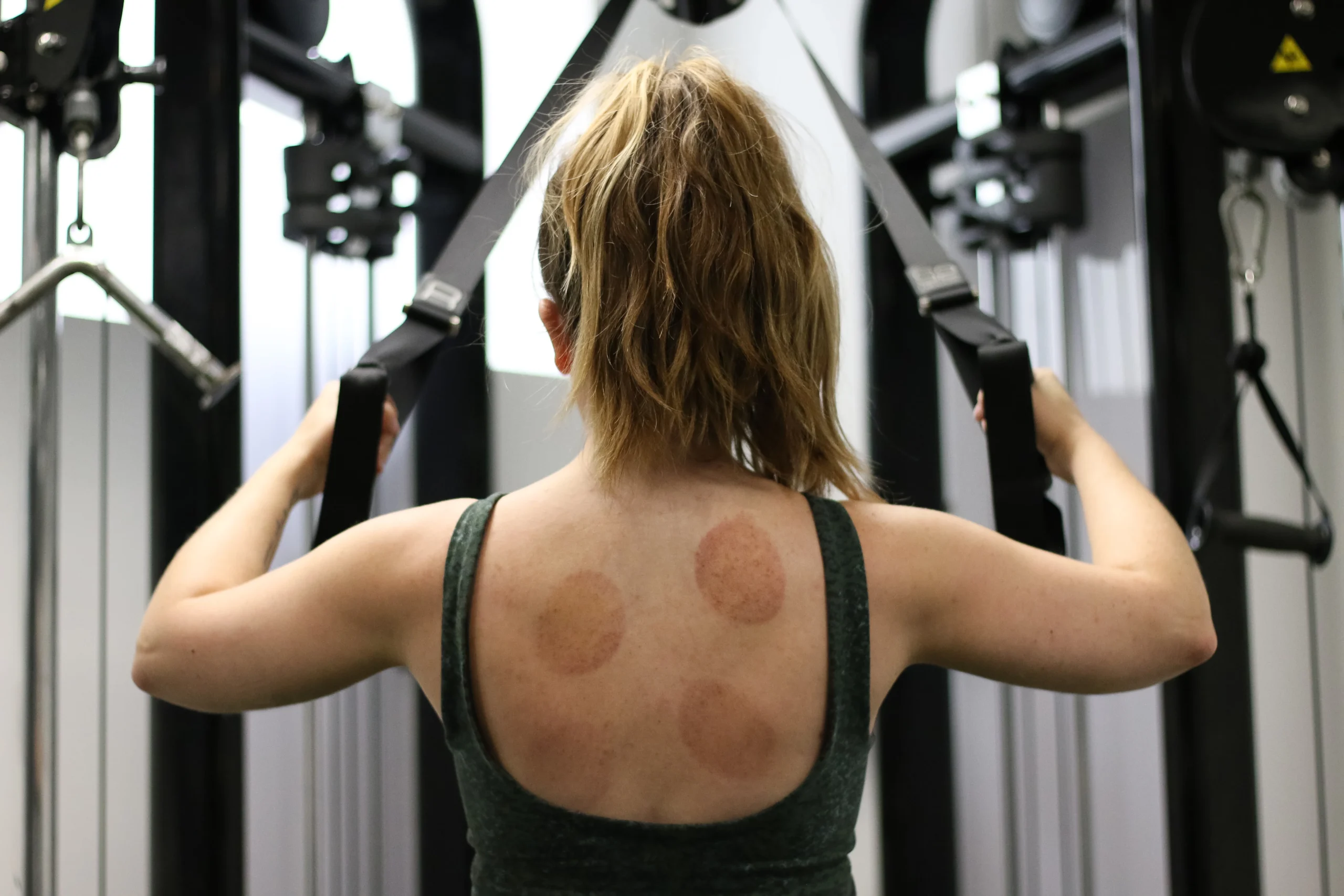
What is cupping? Cupping is a therapeutic intervention rooted in ancient Chinese medicine, in which a glass, silicone, or plastic cup is used to create suction on the skin. This suction allows for decompression of the underlying muscles and connective tissue (fascia). Because of this, cupping promotes blood flow to the compromised area, improves circulation, … Read more

Frequently Asked Questions About Dry Needling

How often and how long do I need dry needling? Dry needling is usually performed 1-2 times per week, with 3-7 days between sessions to allow for muscle recovery. At Elite Muscle Recovery, we typically see our patients one time per week (though this can vary in certain cases). A standard course of dry needling … Read more

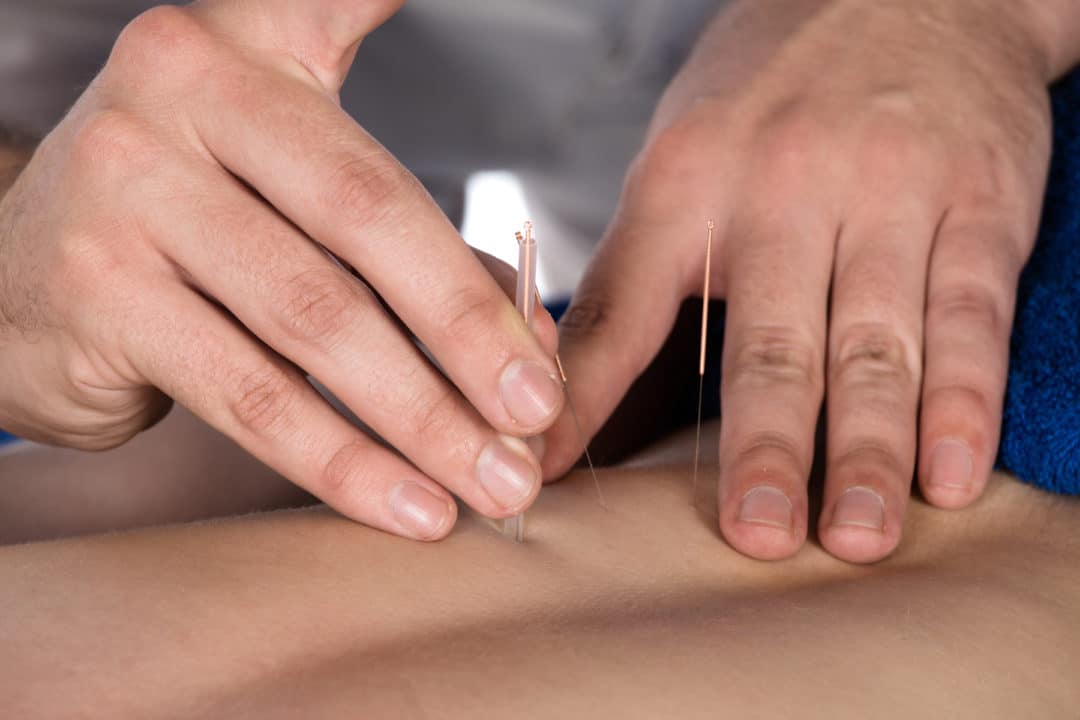
What to expect with dry needling

What to expect during a session When considering dry needling, the first question most people ask is: Does dry needling hurt? The answer to this question will vary from person to person, as different individuals have different thresholds for pain and differing interpretations of input to the body. Some patients report feeling increased tightness and … Read more